The news and knowledge hub for identity verification
Independent coverage of how identity is verified online, across every industry: the technology, the fraud it stops, the rules that govern it, and what it means for your privacy.
A phone number is useful for reaching people, but it is a poor standalone credential. SIM swaps exploit that mismatch, turning mobile account takeover into access to email, banking and other services that rely on texted codes.
The EU AI Act draws a consequential line for identity verification: one-to-one checks are generally not high-risk, while systems that identify people at a distance face stricter controls. GDPR and other obligations remain central.
Since June 2023, the US INFORM Consumers Act has required online marketplaces to verify key details for high-volume third-party sellers. The law brings identity verification into routine e-commerce operations while leaving important enforcement questions to regulators and courts.
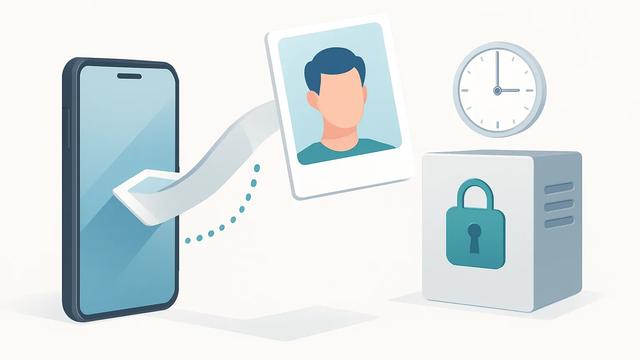
A verification selfie is not simply compared with an ID and discarded. Its path depends on the business requesting the check, the vendor running it, contractual retention settings and laws that may require records to be kept or deleted.
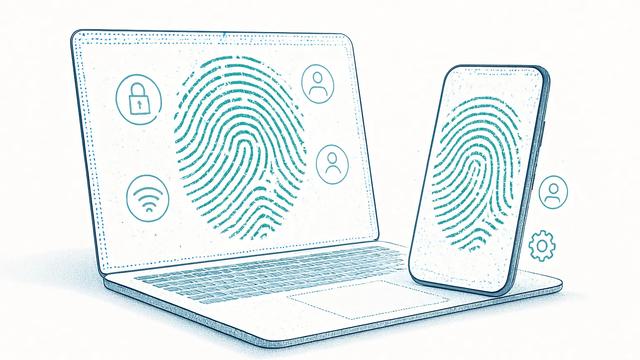
Device fingerprinting can help identity systems recognise patterns across sessions without relying on cookies. Its value lies in risk assessment, not in proving who is behind a screen.
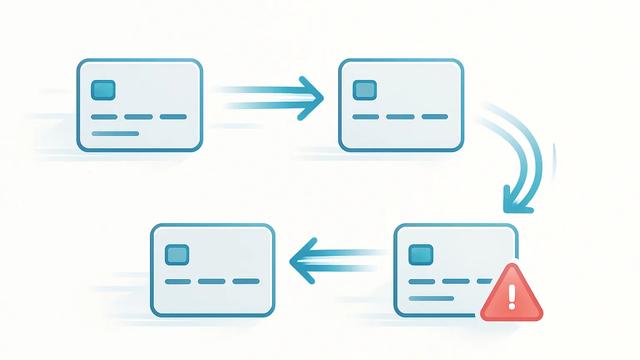
Money mule schemes turn legitimate bank accounts into temporary channels for stolen money. Because the account holder’s identity is genuine, the most important warning signs often emerge only after onboarding.
REAL ID enforcement has changed the documents many US travelers need at airport security and certain federal sites. The law does not create a national ID or replace passports, but it raises the baseline for state-issued identity cards used in federal contexts.
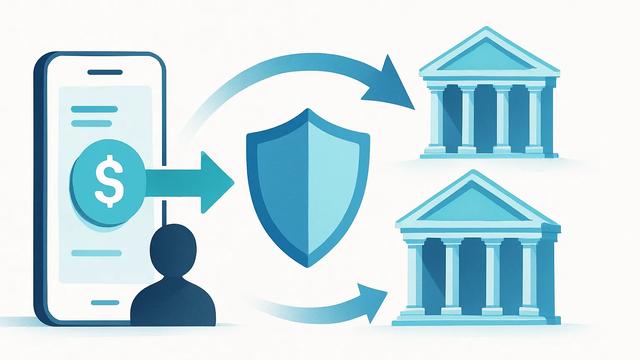
UK payment firms have had to reimburse many victims of authorised push payment fraud since October 2024. By splitting the cost between the sending and receiving firms, the regime puts new financial weight behind controls against mule accounts.
The EU’s new Anti-Money Laundering Authority, or AMLA, is designed to make enforcement more consistent across the single market. Its biggest near-term effect for most businesses will come from a unified AML rulebook, including more harmonised customer due diligence requirements.
A fake ID is not automatically a felony in the United States. The result depends on the state, the document, the conduct and the intent, with consequences that can extend well beyond a fine or jail term.
Most passports issued in recent years are biometric, but the quickest way to tell is not the photo page. Look for the small international chip symbol on the cover and understand what it can, and cannot, verify at the border.
Fake IDs now range from borrowed real documents to AI-generated images designed for remote verification. The most effective controls compare the visible document data with machine-readable data and add checks that address genuine IDs used by the wrong person.
For decades, Playboy has occupied a unique place in adult entertainment, publishing, and popular culture. At Allinid, we believe its history also offers a useful lesson in how adult brands can think about protecting minors.

 Regulation & Policy